

Business Efficiency in the Age of AI: A Comprehensive Guide
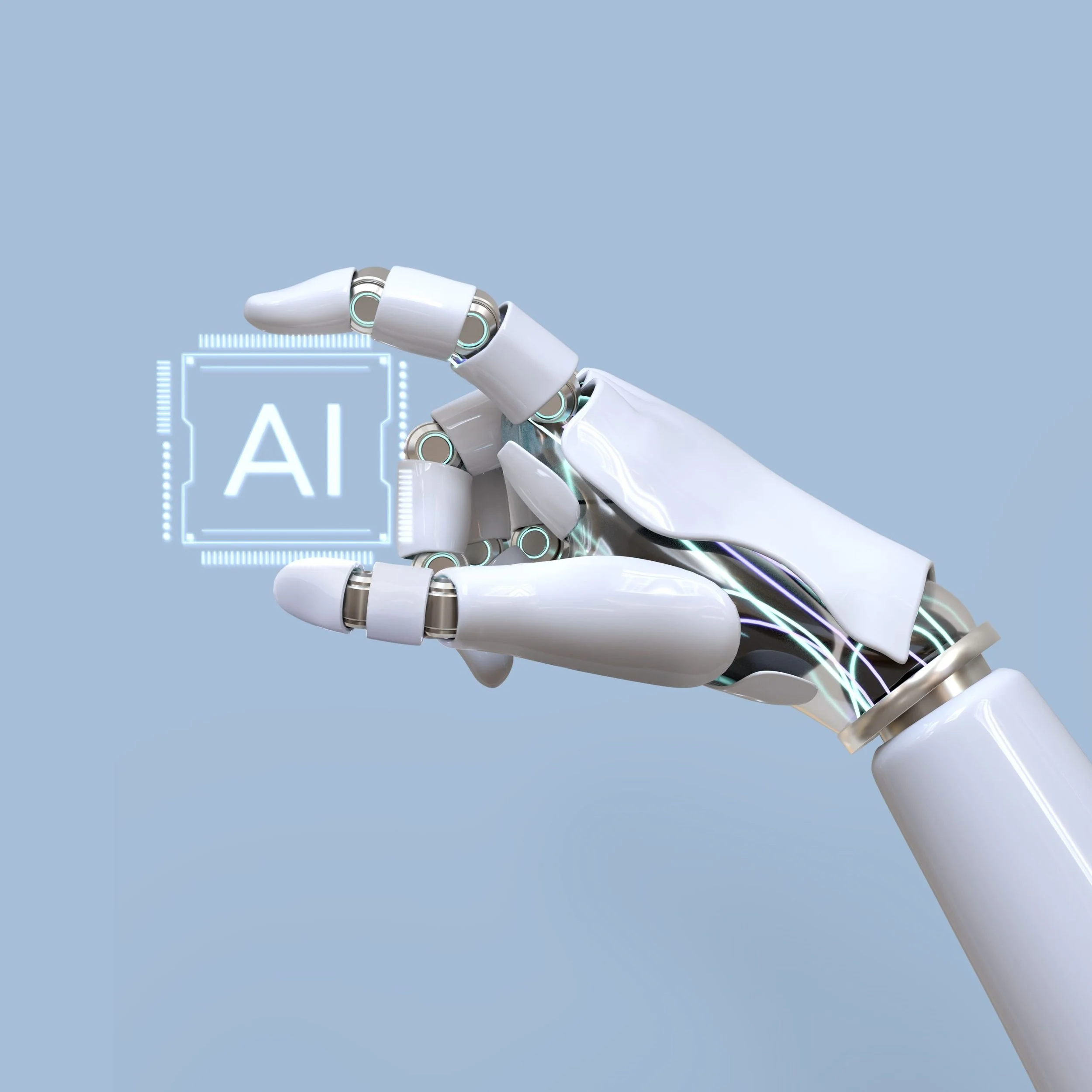
In today's rapidly evolving business landscape, efficiency isn't just a competitive advantage—it's a necessity for survival. As organisations face mounting pressure to do more with less, artificial intelligence (AI) has emerged as a transformative force, reshaping how businesses operate, compete, and thrive.
But what exactly is business efficiency, and how can AI help you achieve it? Whether you're a small business owner looking to streamline operations or a corporate leader seeking to optimise enterprise-wide processes, this comprehensive guide will show you how to harness the power of AI to drive measurable improvements in your organisation.
What Is Business Efficiency?
Business efficiency measures how well an organisation converts inputs (resources, time, capital) into outputs (products, services, revenue). An efficient business maximises output whilst minimising waste, delivering greater value with fewer resources.
Key components of business efficiency include:
• Process optimisation: Streamlining workflows to eliminate bottlenecks
• Resource allocation: Deploying assets where they create the most value
• Cost reduction: Cutting unnecessary expenses without compromising quality
• Time management: Accelerating delivery whilst maintaining standards
• Quality improvement: Enhancing outputs through systematic refinement
Measuring Business Efficiency: Key Performance Indicators
You can't improve what you don't measure. To track and enhance business efficiency, organisations should monitor these critical KPIs:
Operational Metrics
Labour Efficiency Ratio (LER): Measures output per labour hour invested. A rising LER indicates improved productivity.
Process Cycle Time: Tracks how long it takes to complete core business processes from start to finish.
Error Rate: Monitors the frequency of mistakes, defects, or service failures that require rework.
Financial Metrics
Operating Margin: Reveals what percentage of revenue remains after covering operating expenses.
Cost Per Unit: Shows the total cost to produce one unit of product or service.
Return on Assets (ROA): Demonstrates how effectively you're using assets to generate profit.
Customer-Centric Metrics
Customer Satisfaction Score (CSAT): Gauges customer happiness with your products or services.
First Response Time: Measures how quickly your team addresses customer enquiries.
Resolution Rate: Tracks the percentage of issues resolved on first contact.
How AI Transforms Business Efficiency
Artificial intelligence isn't just automation on steroids—it's a fundamental reimagining of how work gets done. Here's how AI drives efficiency across key business functions:
Intelligent Process Automation
Traditional automation handles repetitive tasks based on fixed rules. AI-powered automation goes further, adapting to exceptions, learning from patterns, and making intelligent decisions. From invoice processing to customer onboarding, AI can handle complex workflows that previously required human judgement.
Predictive Analytics
AI analyses historical data to forecast future trends, enabling proactive rather than reactive decision-making. Predict equipment failures before they occur, anticipate customer churn, or optimise inventory levels based on demand forecasts. This foresight eliminates waste and maximises resource utilisation.
Enhanced Decision-Making
AI processes vast datasets faster and more accurately than humanly possible, uncovering insights that inform strategic choices. From pricing optimisation to market segmentation, AI-powered analytics help leaders make data-driven decisions with confidence.
Personalised Customer Experiences
AI enables mass personalisation at scale. Chatbots provide instant, tailored support. Recommendation engines suggest relevant products. Predictive models identify the best time to reach each customer. This personalisation improves satisfaction whilst reducing service costs.
Implementing AI for Business Efficiency: A Practical Roadmap
Ready to harness AI for your organisation? Follow this five-step implementation framework:
1. Identify High-Impact Opportunities
Start by mapping your current processes to identify inefficiencies. Look for tasks that are repetitive, time-consuming, error-prone, or data-intensive. These are prime candidates for AI transformation. Prioritise initiatives that deliver quick wins whilst building toward longer-term strategic goals.
2. Assess Data Readiness
AI is only as good as the data it learns from. Audit your data infrastructure to ensure you have sufficient, quality data to train AI models. Address gaps in data collection, storage, and governance before deploying AI solutions.
3. Start Small, Scale Fast
Begin with pilot projects that demonstrate value without overwhelming your organisation. Choose use cases with clear success metrics, manageable scope, and strong stakeholder support. Once you've proven ROI, expand to adjacent processes and departments.
4. Build AI Literacy Across Your Organisation
AI transformation isn't just technological—it's cultural. Invest in training programmes that help employees understand AI capabilities, limitations, and applications. Foster a learning mindset that embraces experimentation and continuous improvement.
5. Monitor, Measure, and Optimise
Establish clear KPIs for each AI initiative and track performance rigorously. AI models require ongoing monitoring and refinement to maintain accuracy and effectiveness. Create feedback loops that enable continuous improvement based on real-world results.
Real-World Applications of AI in Business Efficiency
These examples illustrate how organisations across industries are leveraging AI to drive efficiency:
Manufacturing: Predictive maintenance systems analyse sensor data to forecast equipment failures, reducing unplanned downtime by up to 50% and extending asset lifespans.
Retail: AI-powered demand forecasting optimises inventory levels, reducing carrying costs by 20-30% whilst minimising stockouts that frustrate customers.
Financial Services: Intelligent document processing automates loan applications, reducing processing time from days to minutes and cutting operational costs by 40%.
Healthcare: AI scheduling systems optimise appointment booking, reducing patient wait times by 25% and increasing provider utilisation rates.
Overcoming Common Challenges in AI Implementation
Implementing AI isn't without obstacles. Here's how to address the most common challenges:
Data Quality Issues: Invest in data cleaning and preparation. Establish data governance frameworks that ensure ongoing data quality.
Skills Gaps: Build internal capabilities through training whilst partnering with external experts for specialised needs. Consider hiring data scientists or AI specialists for complex projects.
Change Resistance: Communicate the 'why' behind AI initiatives clearly. Involve employees in the transformation process and demonstrate how AI augments rather than replaces human capabilities.
Integration Complexity: Choose AI solutions that integrate seamlessly with existing systems. Consider cloud-based platforms that offer pre-built connectors and APIs.
Frequently Asked Questions About Business Efficiency and AI
-
Costs vary dramatically based on scope, complexity, and whether you build custom solutions or use off-the-shelf platforms. Small businesses can start with cloud-based AI tools for €50-500 per month. Enterprise implementations may require €50,000-500,000+ in initial investment. Focus on ROI rather than upfront costs—many AI projects pay for themselves within 12-18 months through efficiency gains.
-
AI is best viewed as an augmentation tool rather than a replacement. Whilst AI excels at repetitive, data-intensive tasks, humans remain superior at creative problem-solving, relationship building, and strategic thinking. Most organisations find that AI frees employees from mundane work, enabling them to focus on higher-value activities that require uniquely human skills.
-
Timeline varies by use case. Simple automation projects may deliver results within weeks. Complex predictive models might require 6-12 months of data collection, model training, and refinement before reaching full effectiveness. Start with quick wins that demonstrate value quickly, then invest in longer-term strategic initiatives.
-
Traditional automation follows fixed, rule-based logic ("if X happens, do Y"). AI adds learning capabilities, enabling systems to adapt to new situations, recognise patterns, and make intelligent decisions without explicit programming. AI-powered automation can handle exceptions, improve over time, and tackle tasks that require judgement.
-
Absolutely not. Cloud-based AI platforms have democratised access to sophisticated capabilities once reserved for large enterprises. Small businesses can leverage AI-powered chatbots, predictive analytics, and intelligent automation without massive IT investments. The key is starting with focused applications that address your most pressing efficiency challenges.
The Future of Business Efficiency Is AI-Powered
Business efficiency has always been about doing more with less. What's changed is the scale and sophistication of what's possible. AI enables organisations to achieve levels of efficiency that were unimaginable just a few years ago—automating complex processes, predicting future outcomes, and personalising experiences at scale.
The question isn't whether to embrace AI for business efficiency, but how quickly you can implement it relative to your competition. Organisations that move decisively today will build sustainable competitive advantages that compound over time.
Start small, measure rigorously, and scale what works. The future of business efficiency is already here—are you ready to claim your share?
Related Reading: Explore The Rise of AI - A Catalyst for Business Transformation to discover how artificial intelligence is reshaping entire industries, or dive into Embracing the Digital Wave to understand the broader digital transformation journey your business needs to embark upon.
Have questions about improving efficiency in your organisation? Get in touch—I'd love to help you explore how AI and digital transformation can drive measurable improvements in your business.